Restaurant Interior Design
Interior Design | Limbe, Cameroon
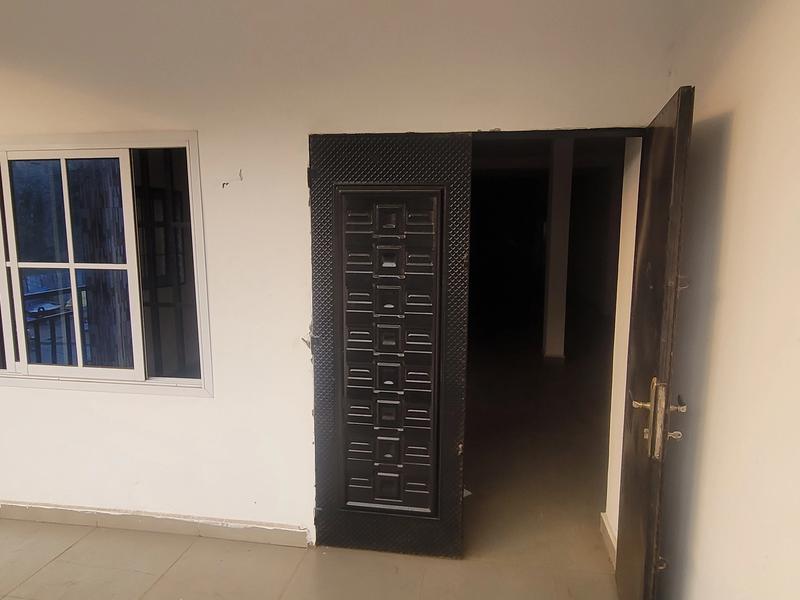
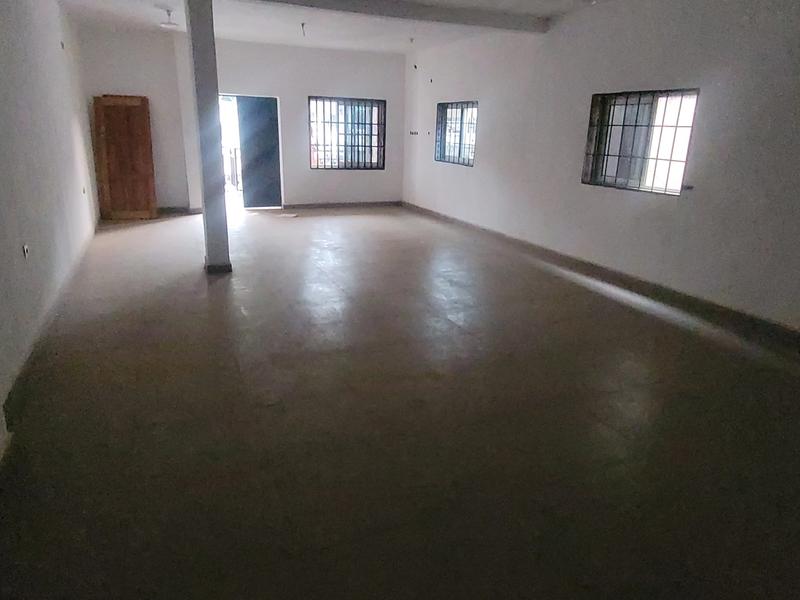
- Before
- During
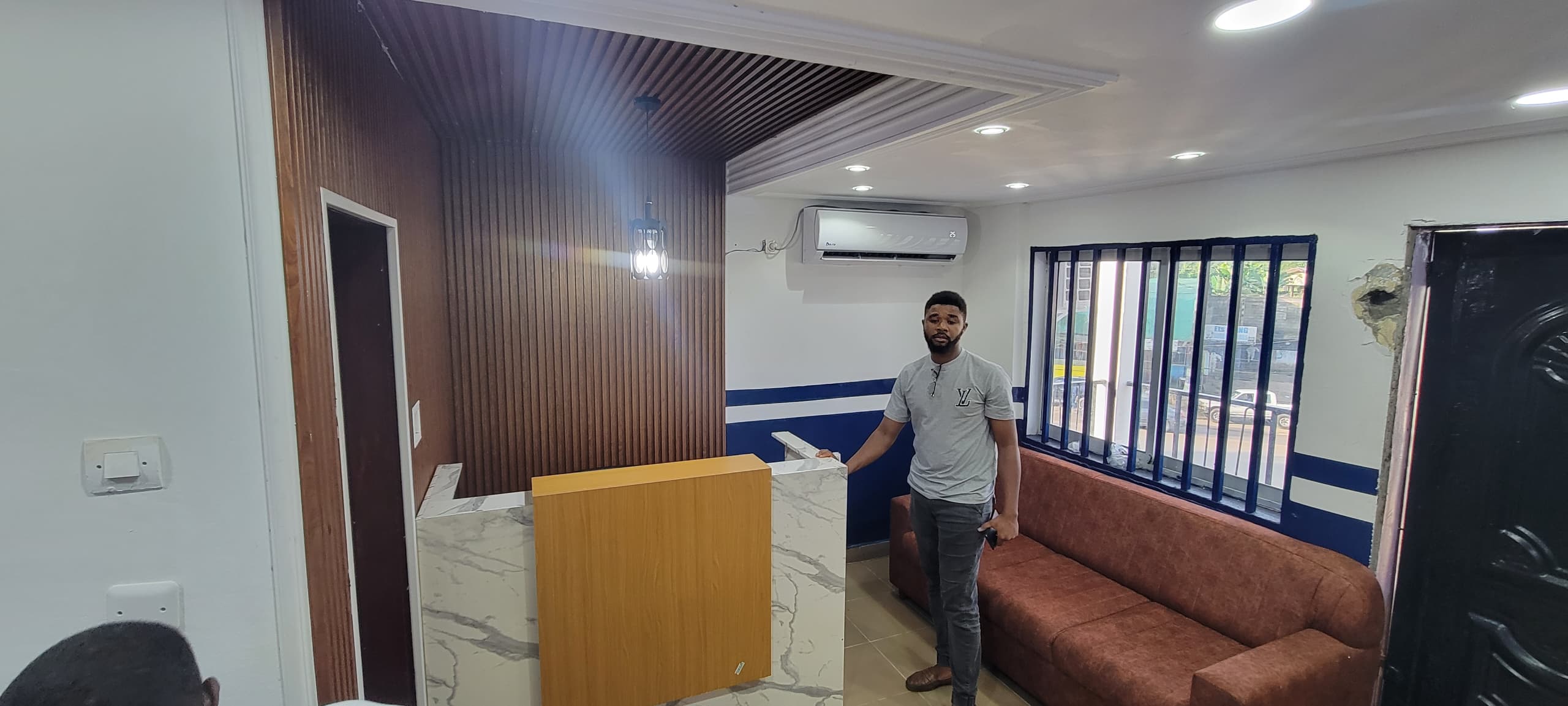
- After
Project Overview
A well-designed restaurant balances ambience, comfort, and efficiency. Elements such as lighting, color schemes, furniture, and layout all play key roles. For example, warm lighting and soft colors can create a cozy, intimate atmosphere, while bright lights and bold colors may suit fast-casual or energetic dining spaces. Furniture must be both stylish and comfortable, encouraging guests to relax without compromising space utilization. Layout planning is equally important. Designers must ensure smooth movement for both customers and staff, strategically placing seating, walkways, and service areas. A good layout enhances service speed and prevents overcrowding. Another critical aspect is branding. The interior should reflect the restaurant’s concept—whether it’s fine dining, traditional, modern, or themed. Materials, textures, and décor elements should align with the restaurant’s identity and target audience. In addition, acoustics, ventilation, and cleanliness are essential for a pleasant dining environment. A beautiful space that is too noisy or uncomfortable will negatively affect customer satisfaction. In summary, restaurant interior designing combines creativity with practicality to create spaces that attract customers, enhance their dining experience, and support efficient operations.
Related Projects
Explore other projects in this category
Interior Design